

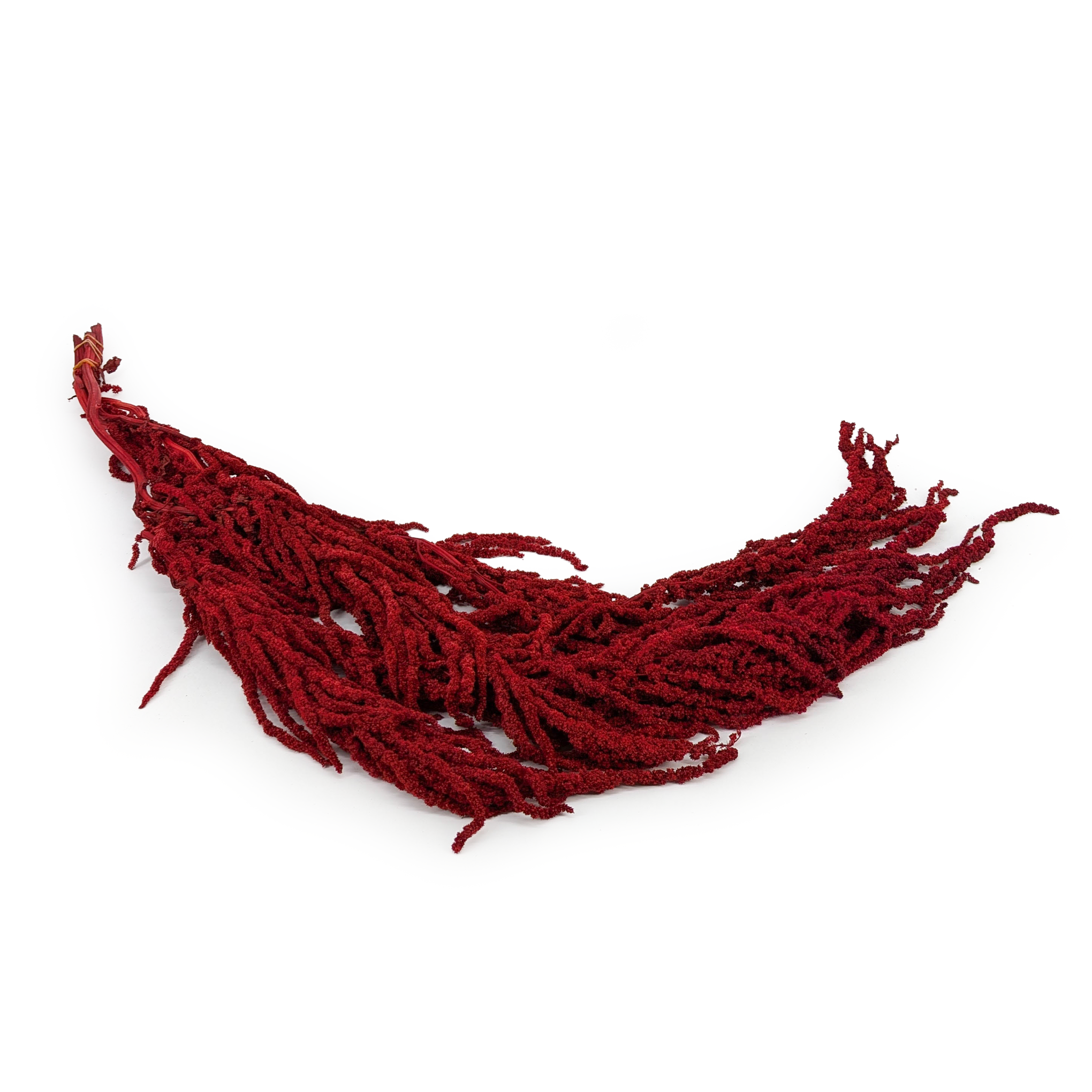
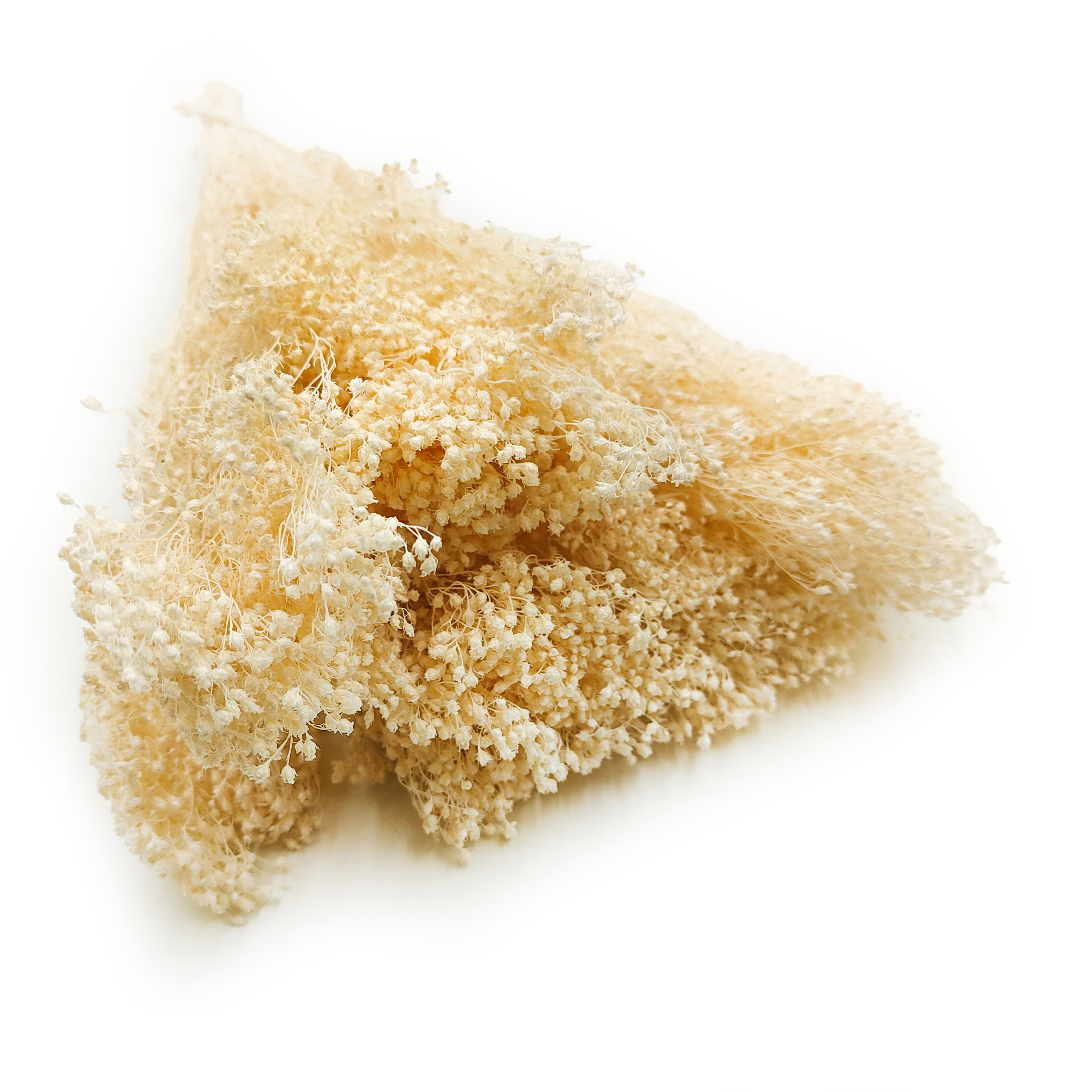
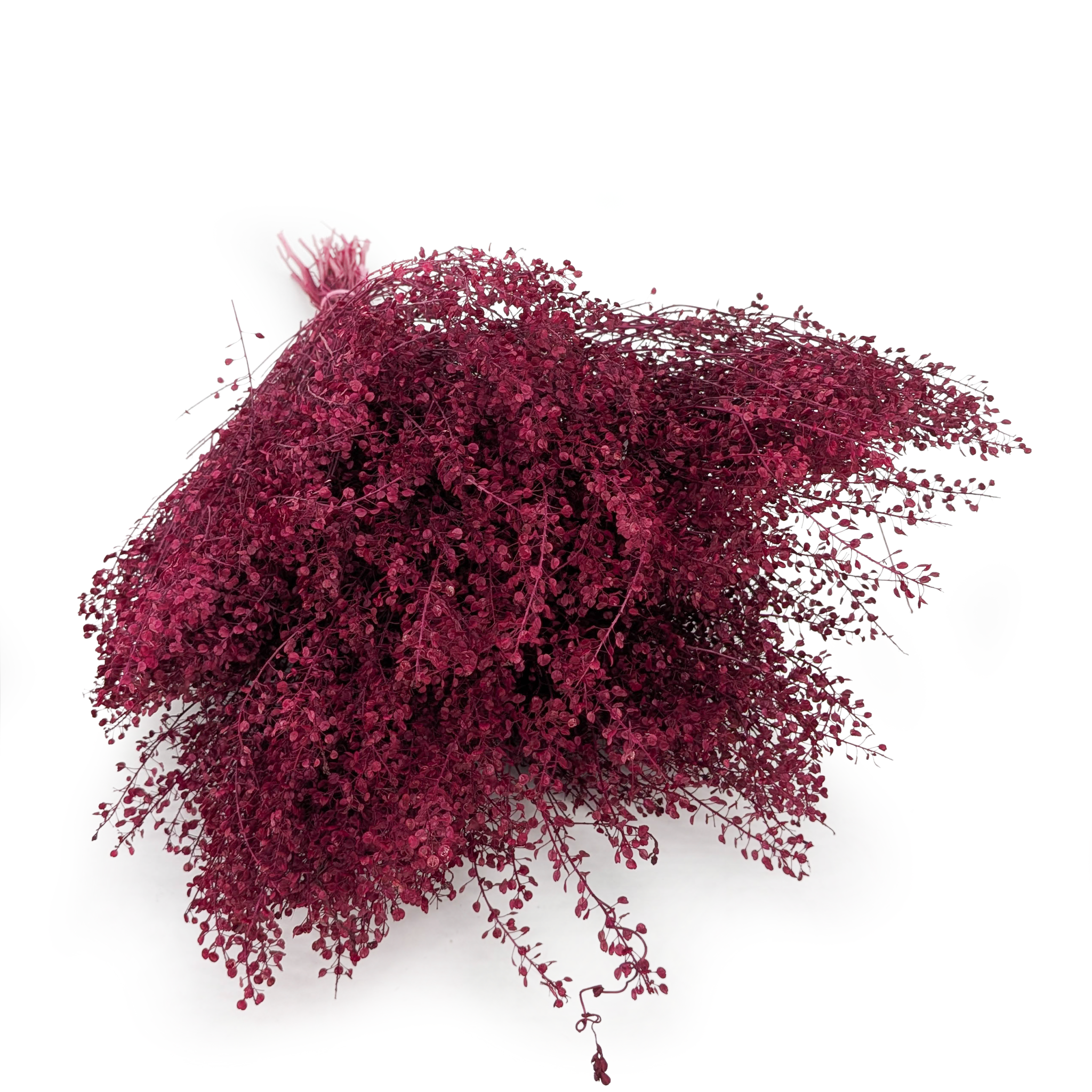
August is the peak season for statice (Limonium sinuatum) – one of the most distinctive and highly valued flowers used in dried floristry. This is the time of year when the harvest takes place and fields are filled with small, intensely coloured flowers.
- added: 14-08-2026
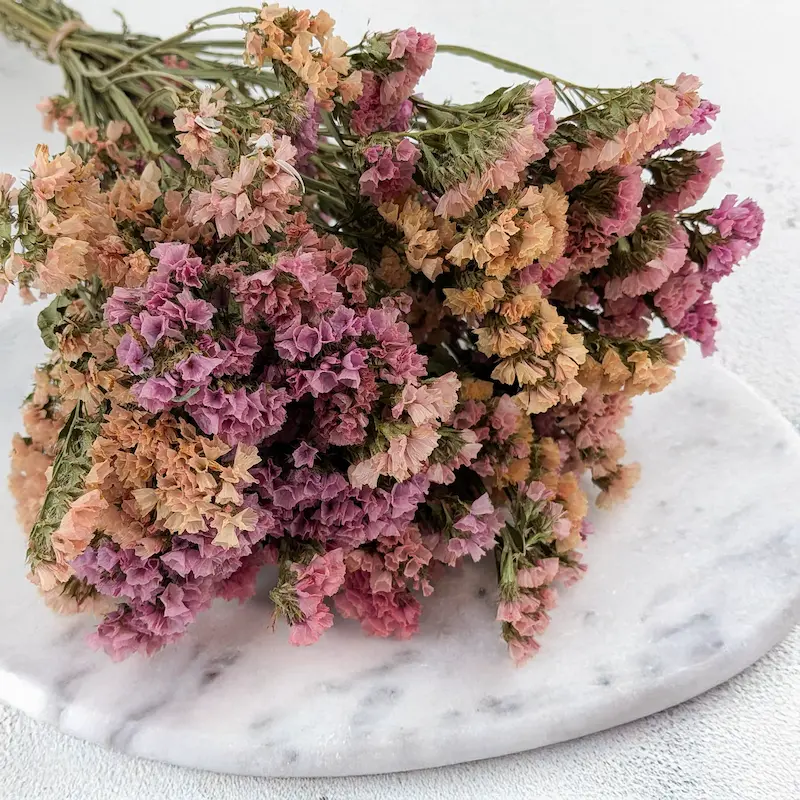
August is the peak season for statice (Limonium sinuatum) – one of the most distinctive and highly valued flowers used in dried floristry. This is the time of year when the harvest takes place and fields are filled with small, intensely coloured flowers.
Stems intended for bouquets and drying are cut when the flowers are already fully open but have not yet begun to lose their colour under the influence of the sun. When harvested and dried properly, statice retains its characteristic appearance exceptionally well, which means it can be used in floristry throughout the year.
Why is dried statice so highly valued in floristry?
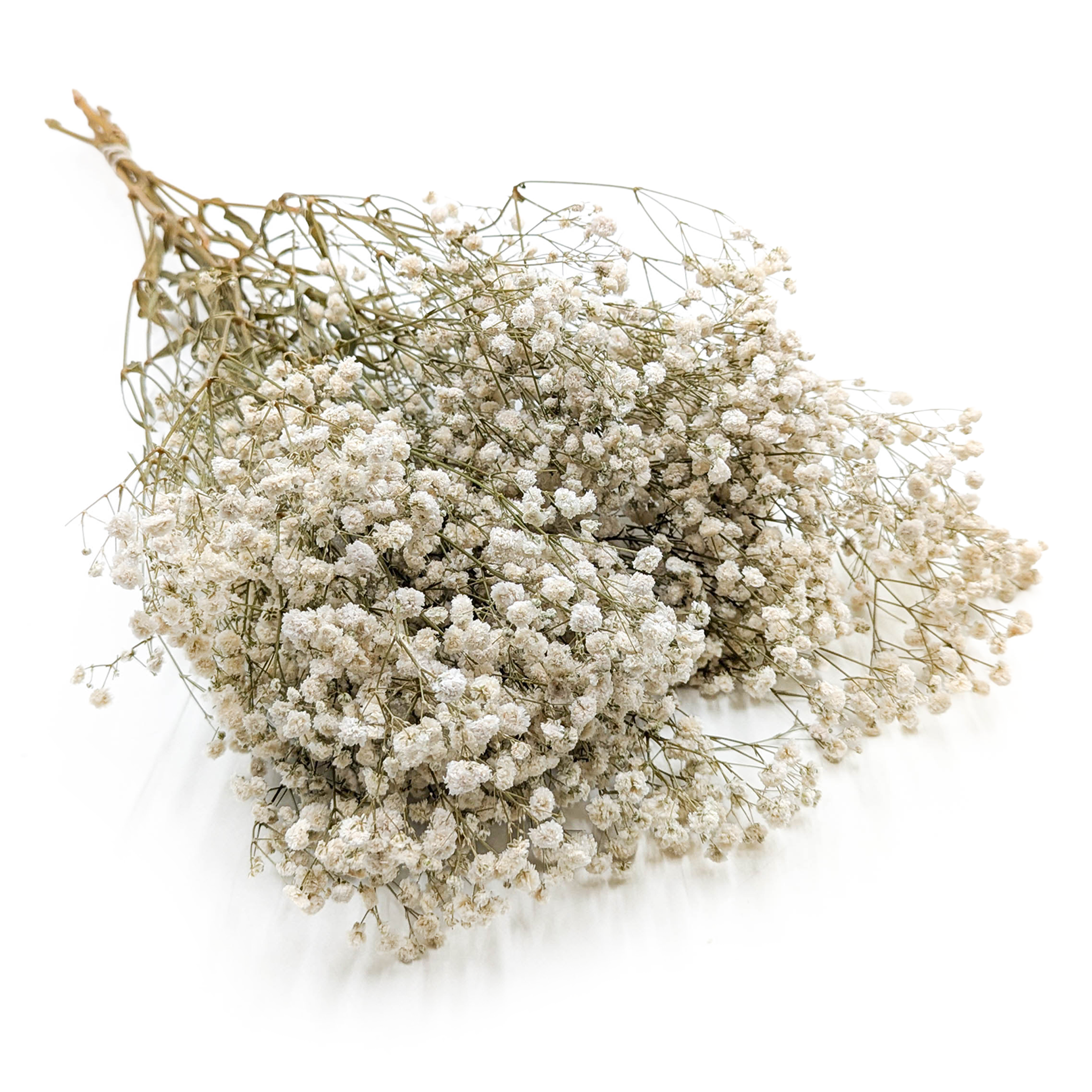
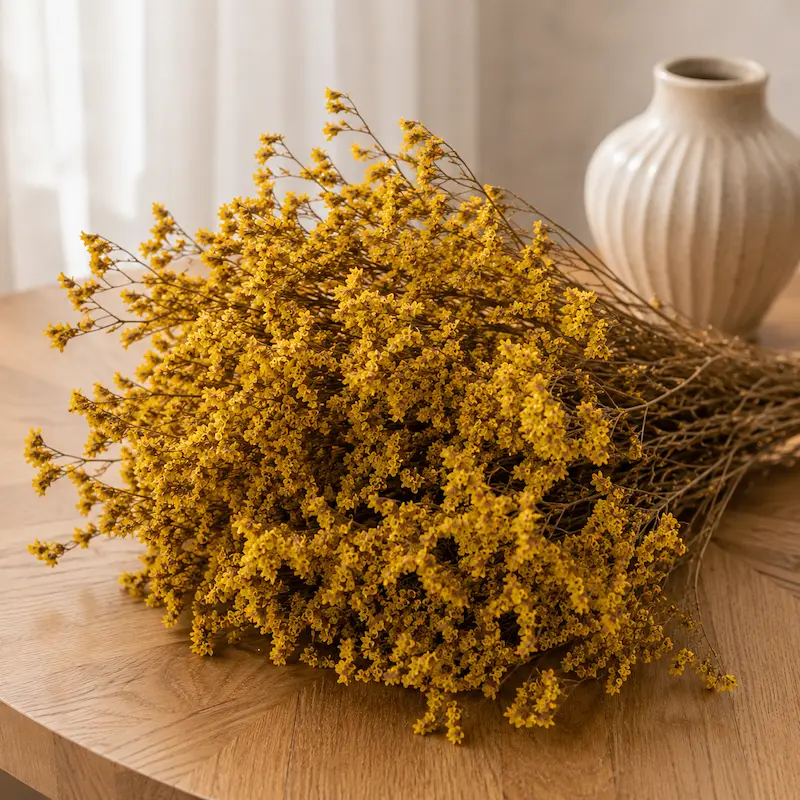
The most distinctive feature of statice is its highly branched stems covered with a large number of small flowers. Once dried, they develop a slightly papery texture while retaining their natural shape and decorative character.
It is precisely this structure that makes statice an invaluable floristry material. It can add volume, lightness and colour to an arrangement without overwhelming larger flowers. It fills the spaces between the other elements of a bouquet perfectly and helps create a more natural, airy effect.
However, it does not have to serve only as a filler. A larger number of statice stems creates an impressive cloud of tiny flowers, which means it can also be successfully used to create stand-alone bouquets and decorations.
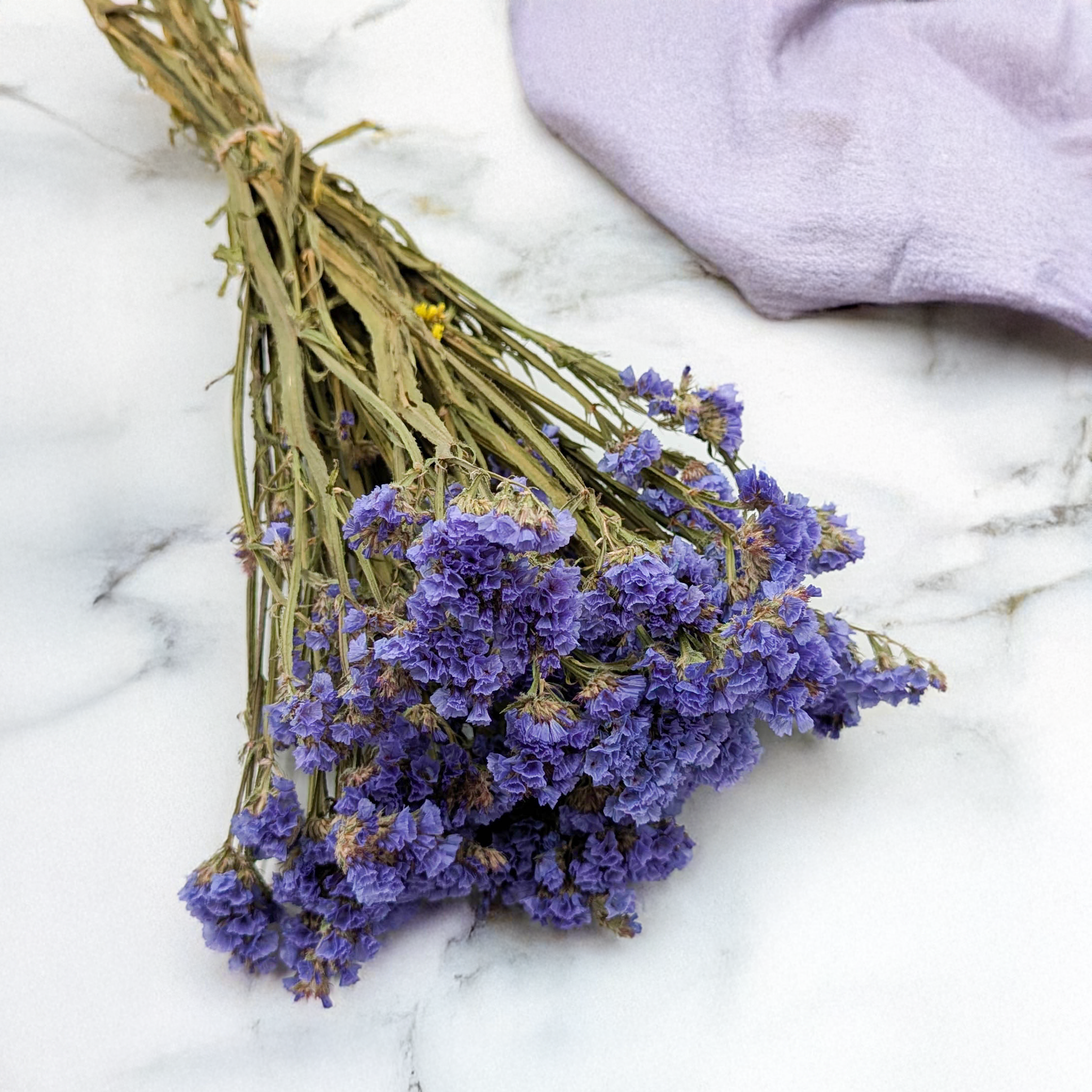

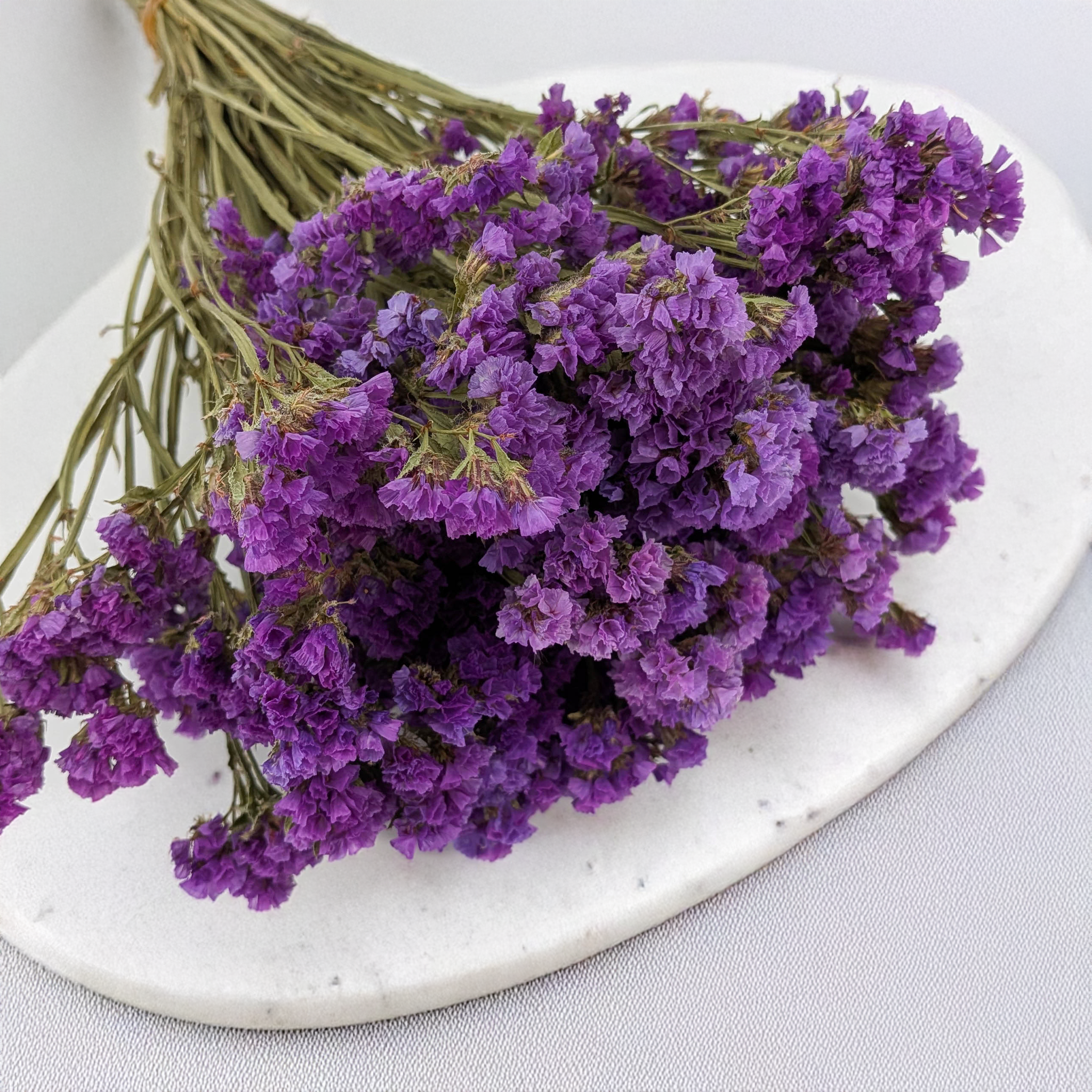
Easy to use and incredibly versatile
Dried statice is a material that is very easy to work with. Whole stems can be used in larger bouquets and decorations, while individual branches can be separated and used as smaller floral accents.
Thanks to this, the same type of dried flower can be used both in large arrangements and in much smaller projects. Statice works particularly well in:
- dried flower bouquets,
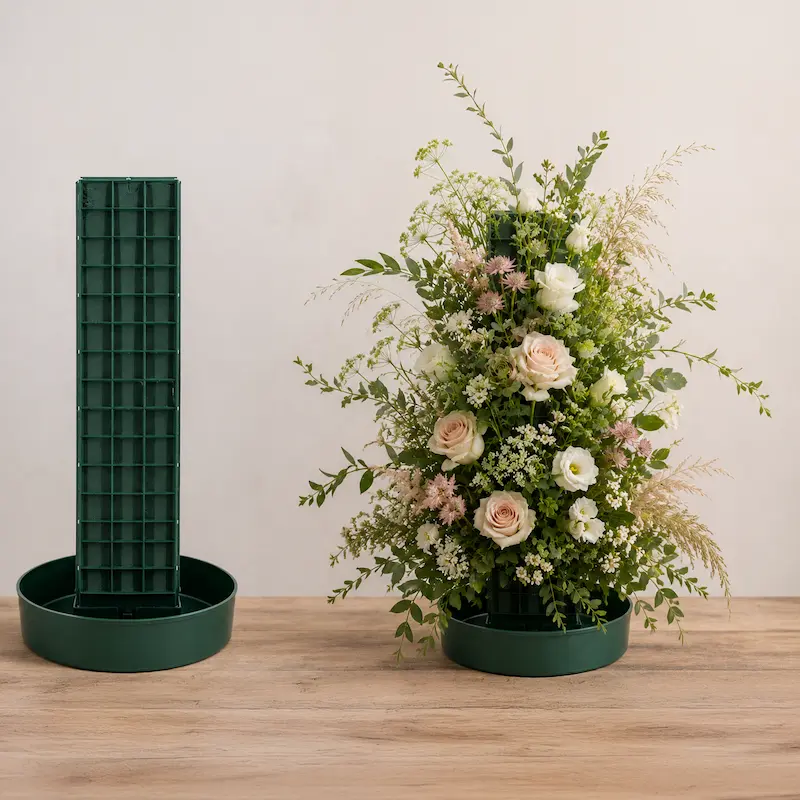
- bridal bouquets and wedding decorations,
- wreaths and floral hoops,
- table arrangements and centrepieces,
- flower boxes and gift arrangements,
- boho and rustic decorations,
- harvest decorations,
- autumn arrangements with grains and grasses,
- interior decorations,
- DIY and craft projects.
It looks particularly beautiful when combined with other dried flowers, ornamental grasses and grains. It can provide a delicate background for larger elements or become one of the main accents of the entire arrangement.
Statice in bridal bouquets
Dried flowers have long had their place in wedding floristry, and statice is one of the materials that is particularly well suited to it. Its small flower clusters make it possible to create a light, romantic and natural character in a bouquet.
It can be used as a subtle complement to larger flowers or to create an arrangement in which statice plays a much more prominent role. It works particularly well in boho, rustic and natural-style bouquets, while the right choice of colour also makes it suitable for more modern arrangements.
What can dried statice be combined with?
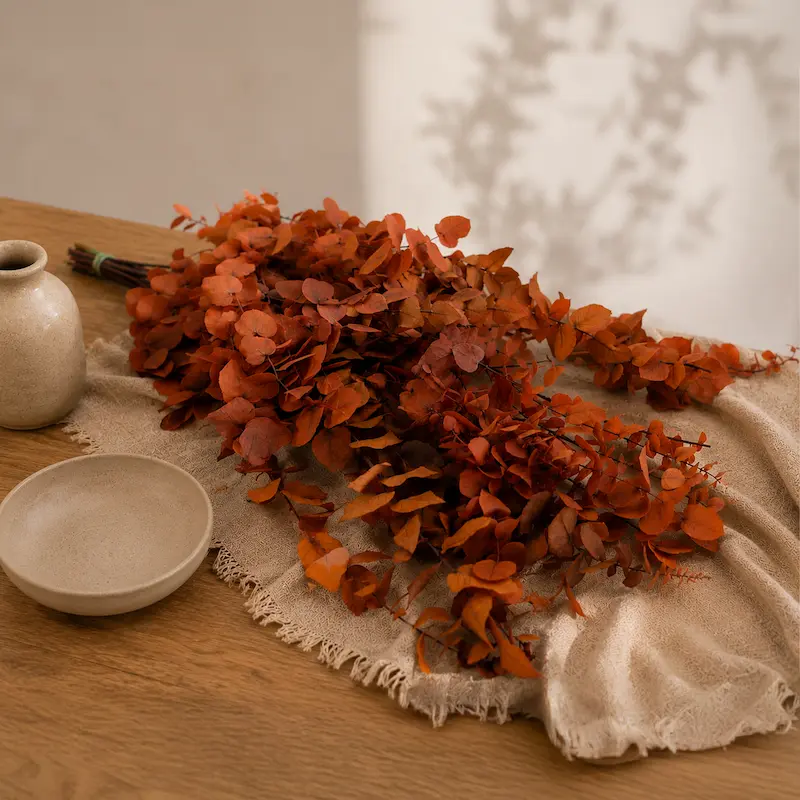
Statice offers countless possibilities for combining it with other dried and preserved plants. Everything depends on the effect we want to achieve. In more autumnal and natural arrangements, it looks beautiful alongside preserved eucalyptus, whose muted tones work particularly well with statice in shades of pink, purple, apricot or cream.
If we want to create a light composition in a boho or rustic style, it is worth combining statice with dried grasses – lagurus, phalaris, stipa or delicate meadow grasses. For harvest and late-summer decorations, you can also use wheat, oats and other dried grains. Such combinations beautifully emphasise the natural character of statice and make it possible to create decorations inspired by the end of summer and the beginning of autumn.
Statice can also be used as a colourful filler between larger flowers. Thanks to its small, branching flower clusters, it easily connects the individual elements of a bouquet into one coherent whole, while at the same time adding volume, colour and lightness.
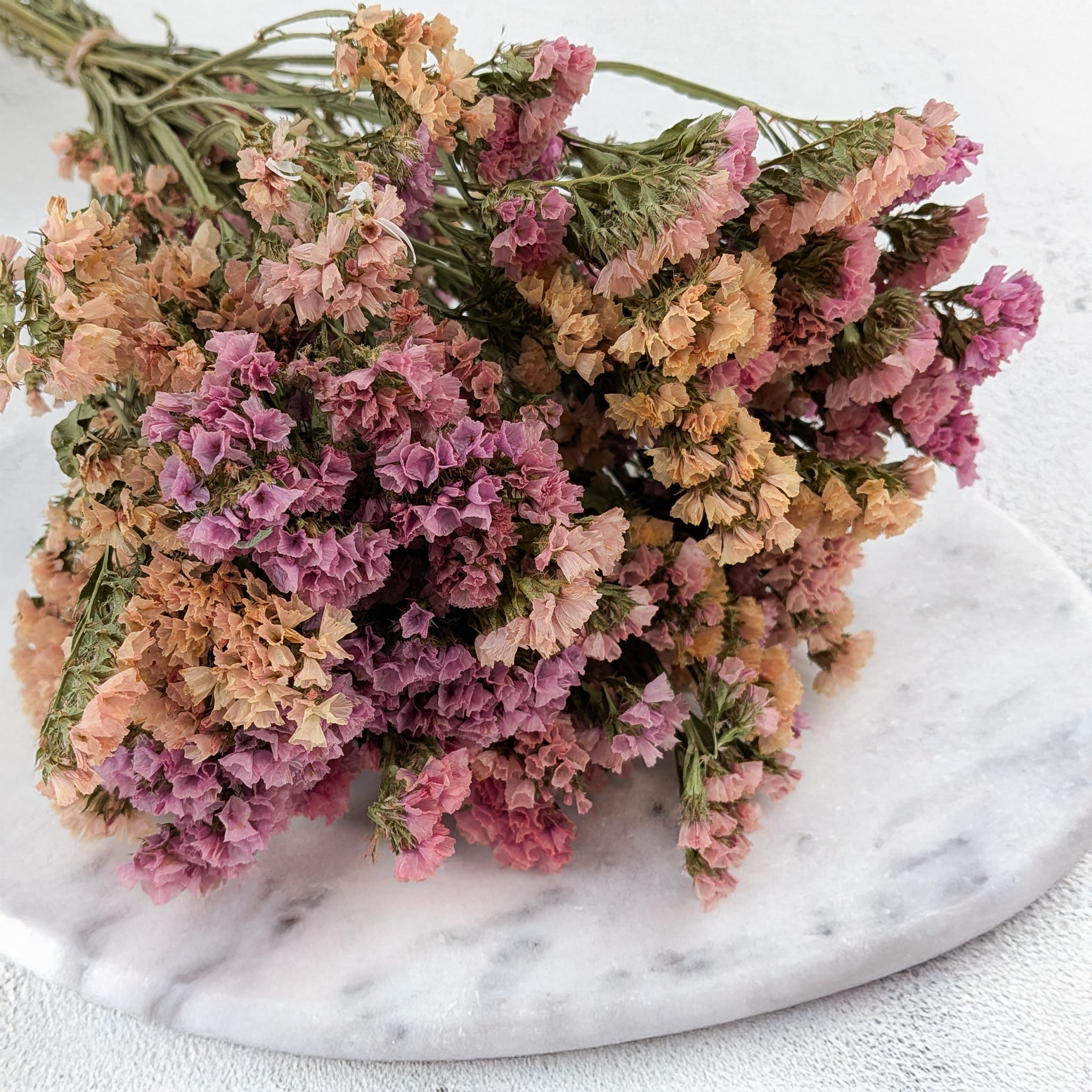


From delicate pastels to intense colours
One of the greatest advantages of statice is its enormous variety of colours. Although the plant is often associated with its characteristic shades of purple, dried statice is available in a much wider colour palette.
Whites and light shades such as apricot work perfectly in delicate arrangements. Pinks and pastel colours are ideal for romantic bouquets, while deep purples, intense yellows and bolder shades make it possible to create a strong colour accent.
This diversity gives florists enormous creative freedom – the same species can look completely different depending on the chosen colour and the other elements of the arrangement.
A flower that retains its beauty for a long time
Statice is an exceptionally rewarding material for drying. Once properly dried, its small flowers retain their characteristic structure and decorative appearance, allowing them to be used long after the summer season has ended.
It is precisely this combination of durability, natural appearance, ease of use and an enormous choice of colours that makes dried statice one of the classics of modern floristry.
August is its time. This is the harvest period, when the stems are cut and later dried so that over the following months they can appear in bridal bouquets, wreaths, harvest decorations, seasonal arrangements and countless floral projects.