

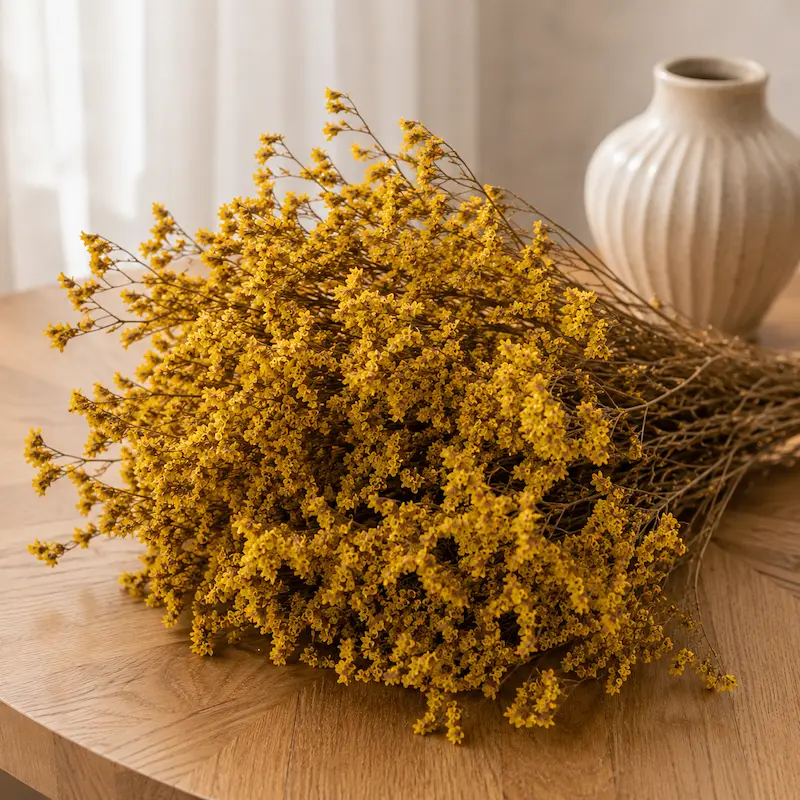
The Easter palm is one of the most important symbols of Palm Sunday. In Polish tradition, alongside boxwood and willow branches, grains and dried grasses play a significant role, adding lightness, natural beauty and deep symbolism. Their presence is not accidental – for centuries they have symbolised life, rebirth, fertility and hope for abundance.
Today, dried and dyed grains are increasingly used to create both traditional and modern compositions – from rustic to minimalist, in boho or folk sty
- added: 24-02-2026

Easter Palm – The Meaning of Grains and Grasses in Tradition
The Easter palm is one of the most important symbols of Palm Sunday. In Polish tradition, alongside boxwood and willow branches, grains and dried grasses play a significant role, adding lightness, natural beauty and deep symbolism. Their presence is not accidental – for centuries they have symbolised life, rebirth, fertility and hope for abundance.
Today, dried and dyed grains are increasingly used to create both traditional and modern compositions – from rustic to minimalist, in boho or folk style.
Oats – A Symbol of Humility and New Beginnings
Delicacy and Lightness
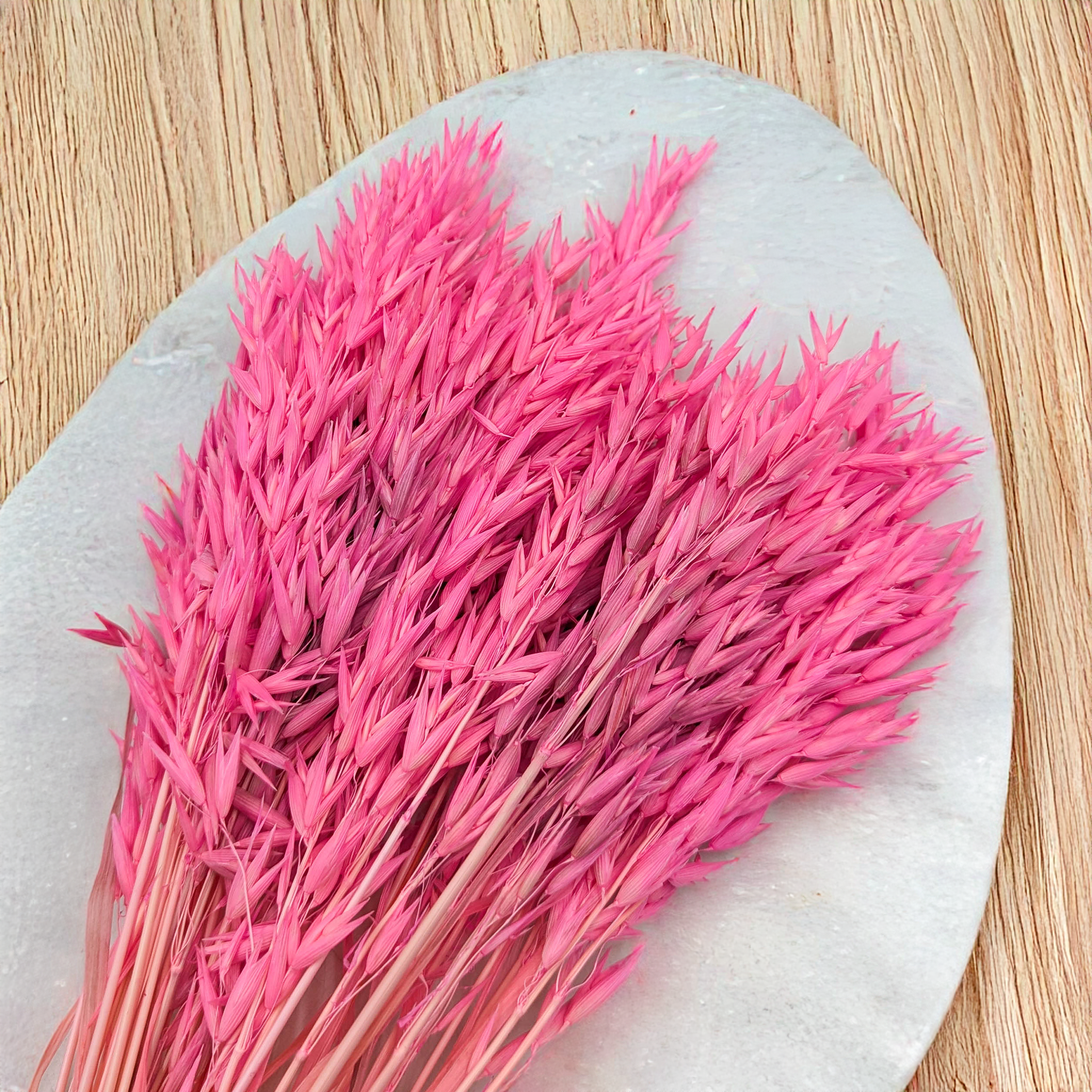
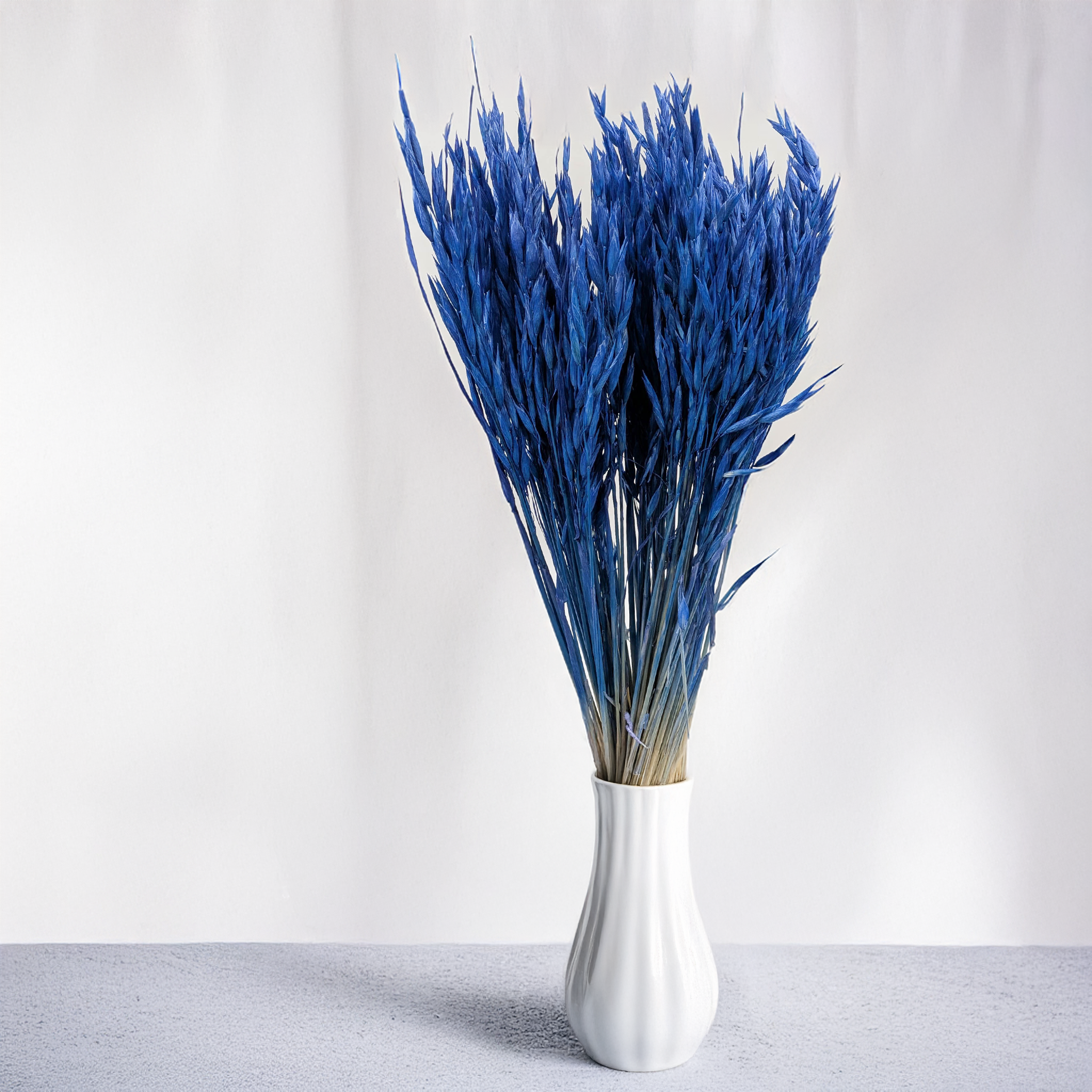
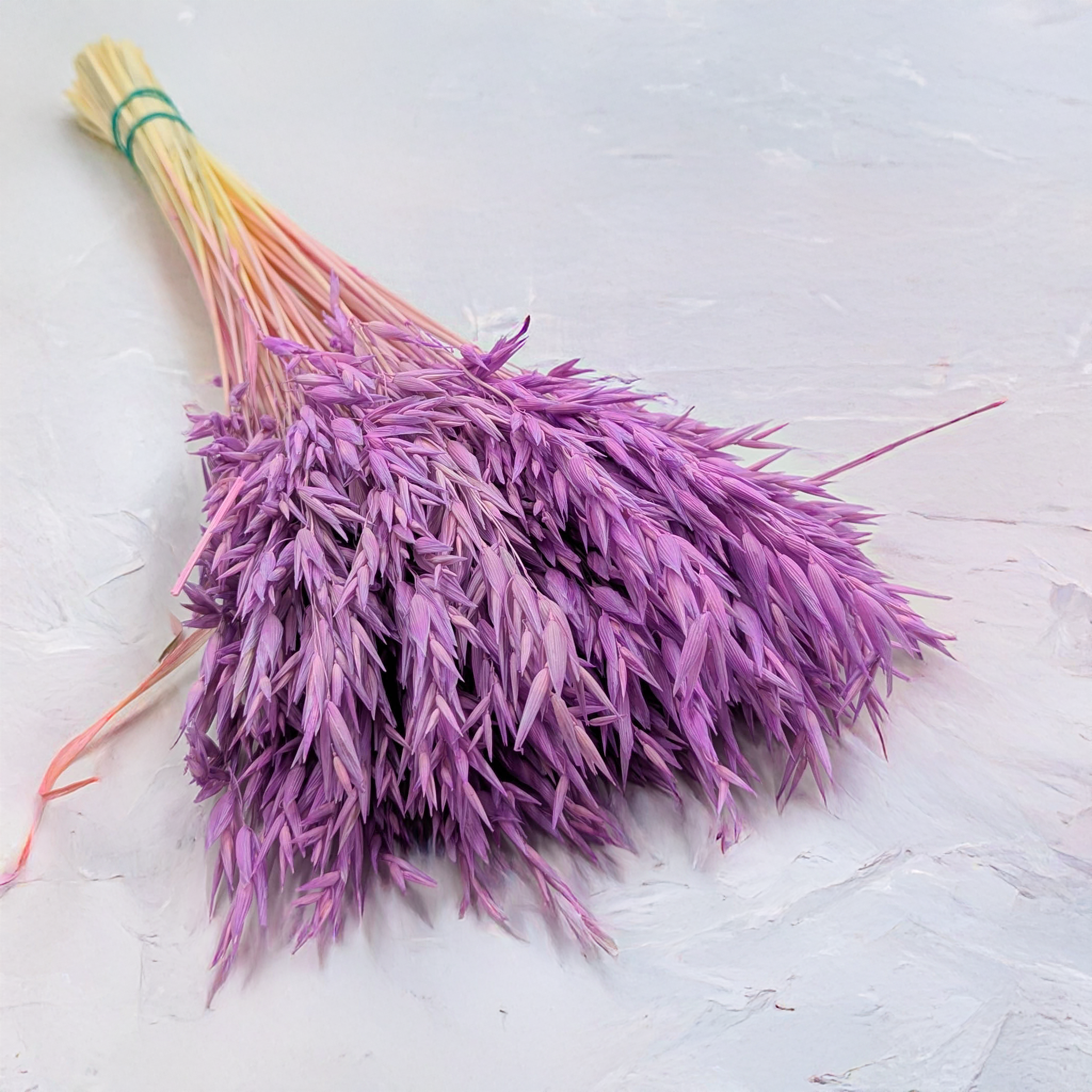
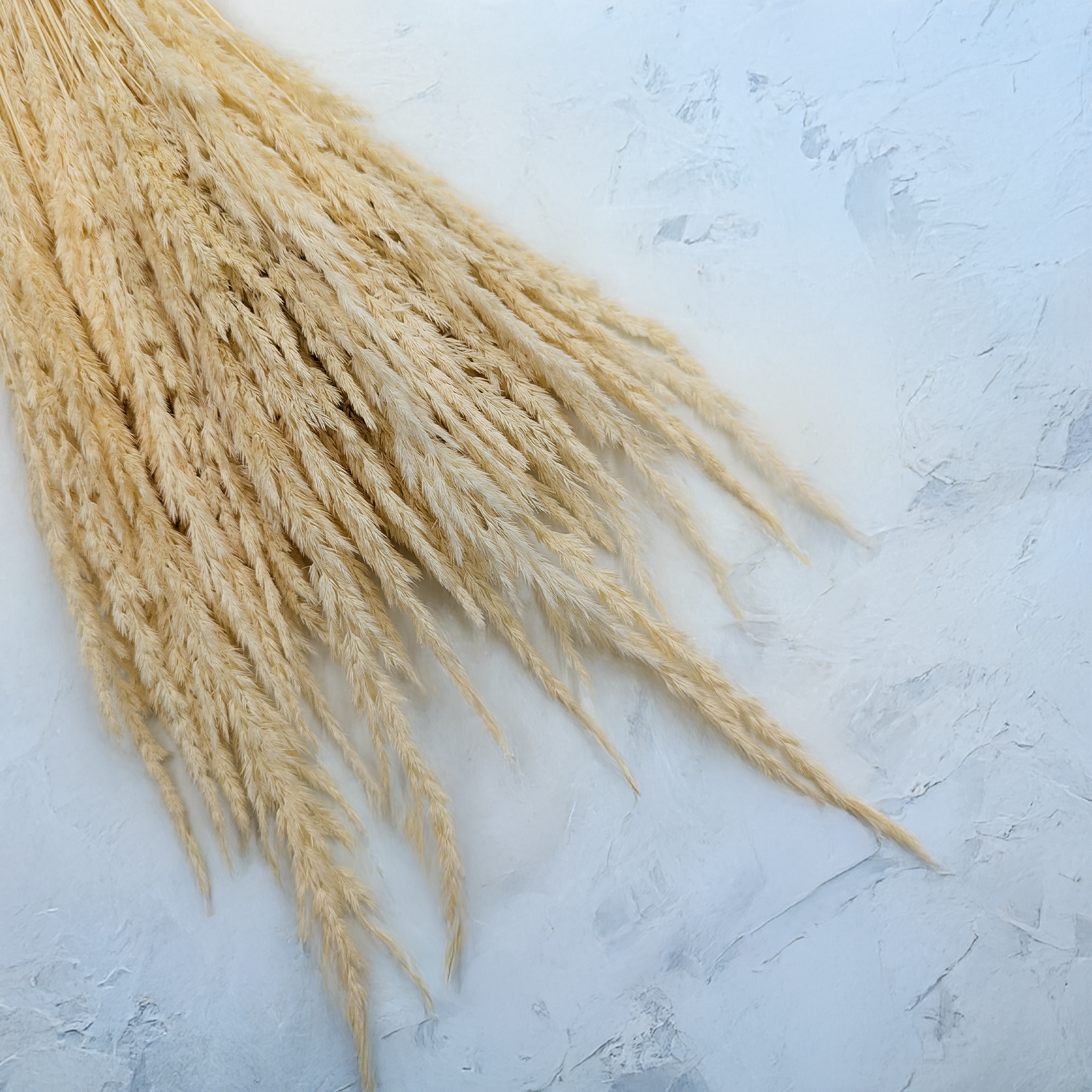
Oats symbolise modesty, perseverance and daily effort. Their airy panicles add movement and softness. Natural straw tones enhance authenticity, while dyed versions reflect modern colour trends.
Triticale and Wheat – Abundance and Strength
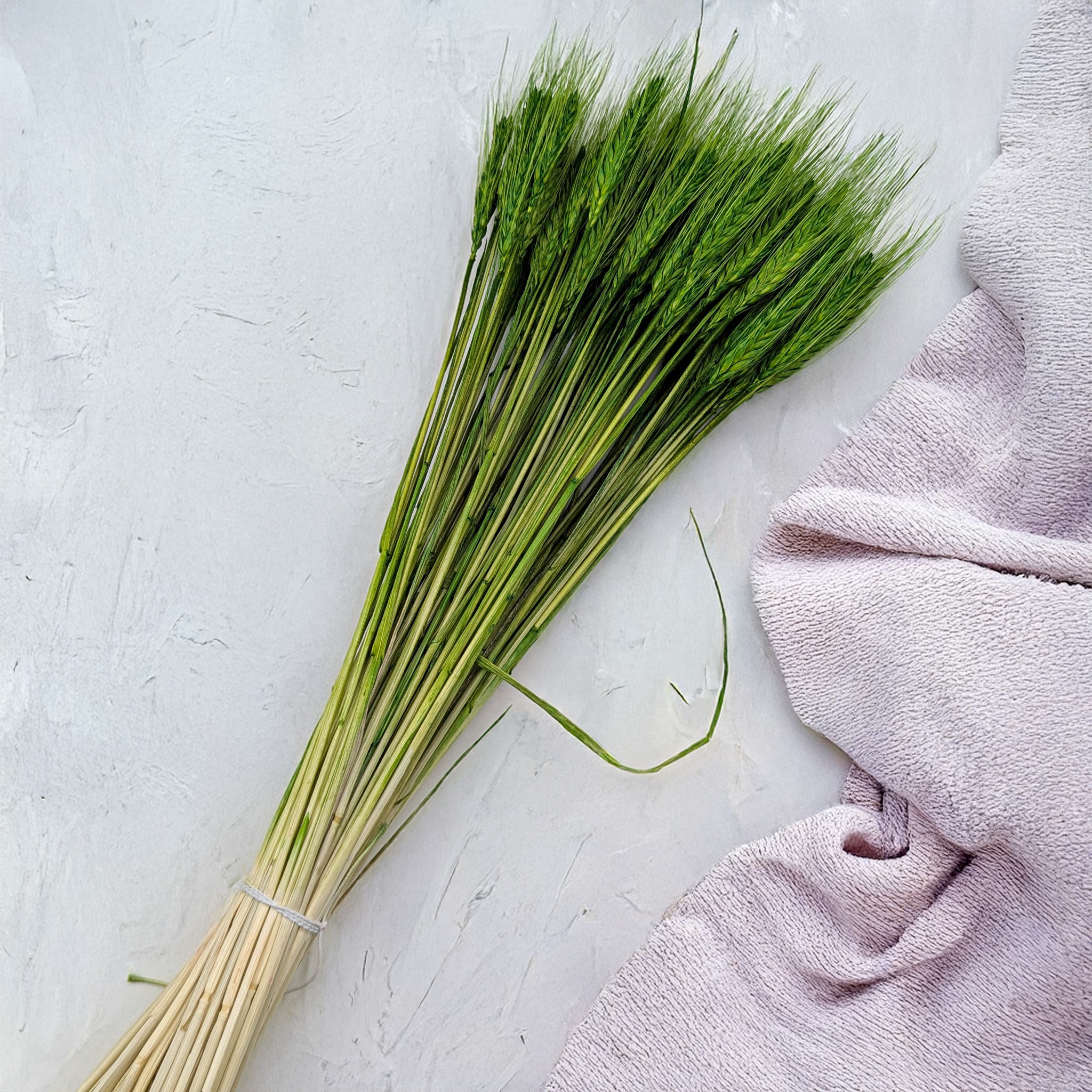
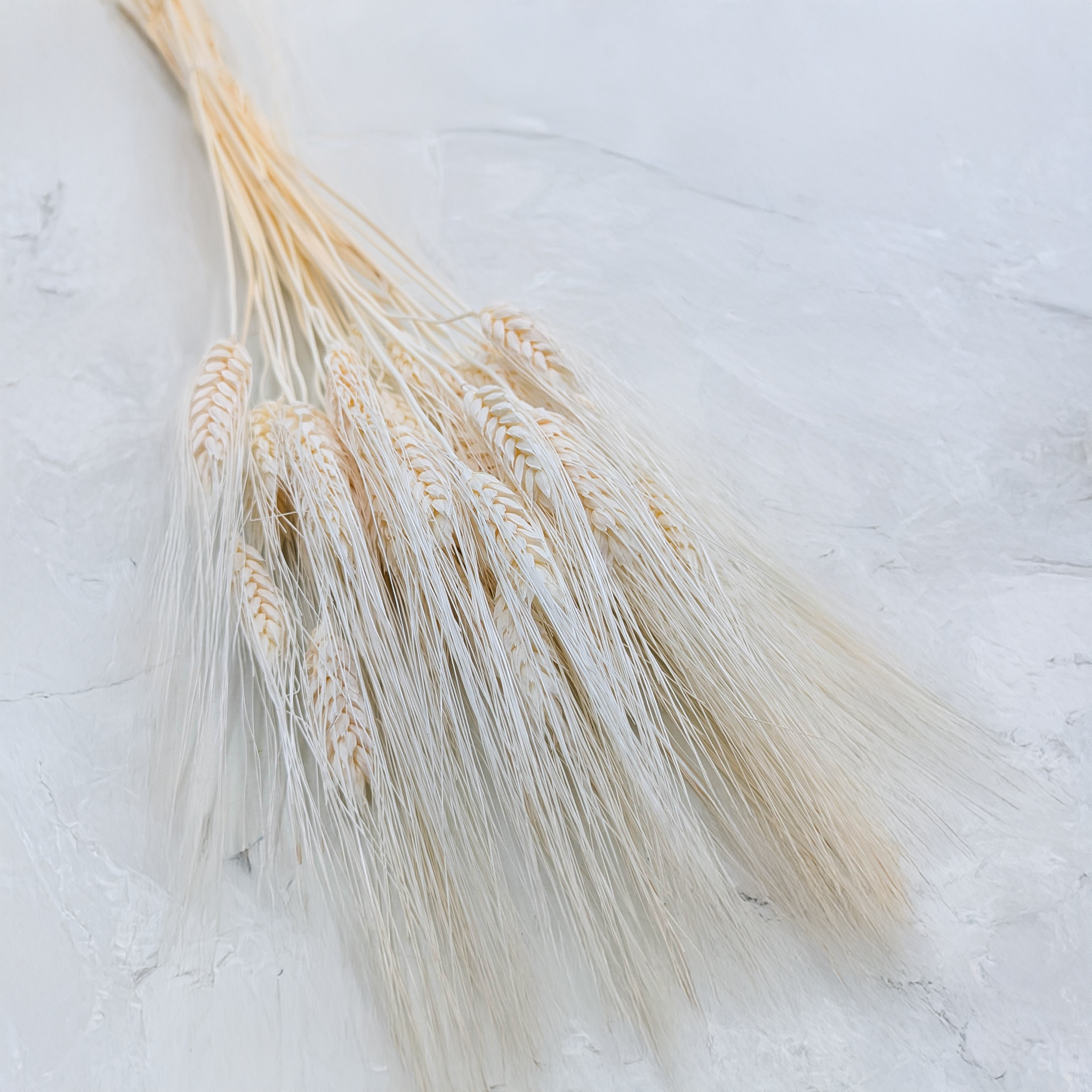
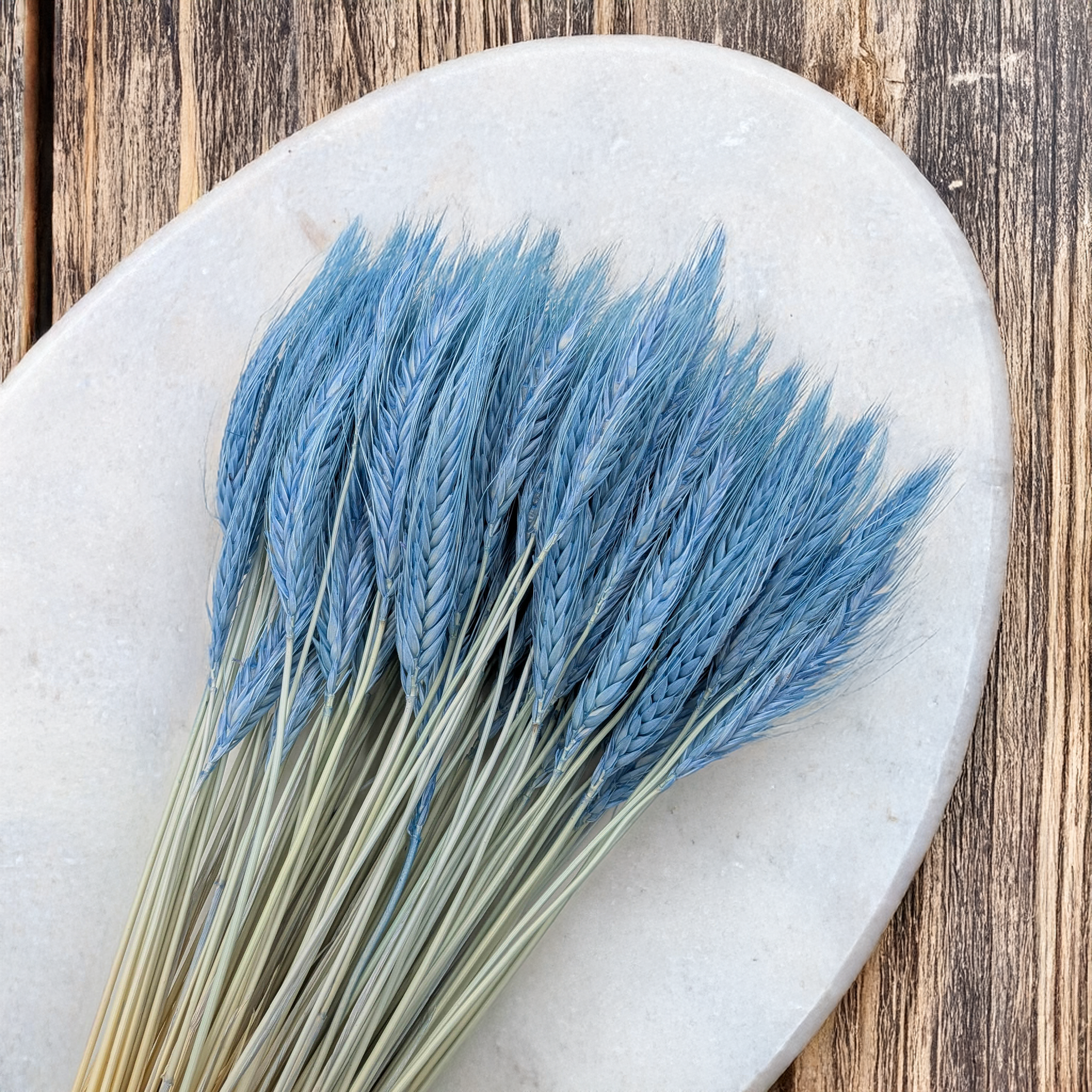
Deep Symbolism
Triticale and wheat have long symbolised harvest, prosperity and endurance. Their structured spikes build the vertical form of the palm.
Phalaris – Lightness and Modern Touch
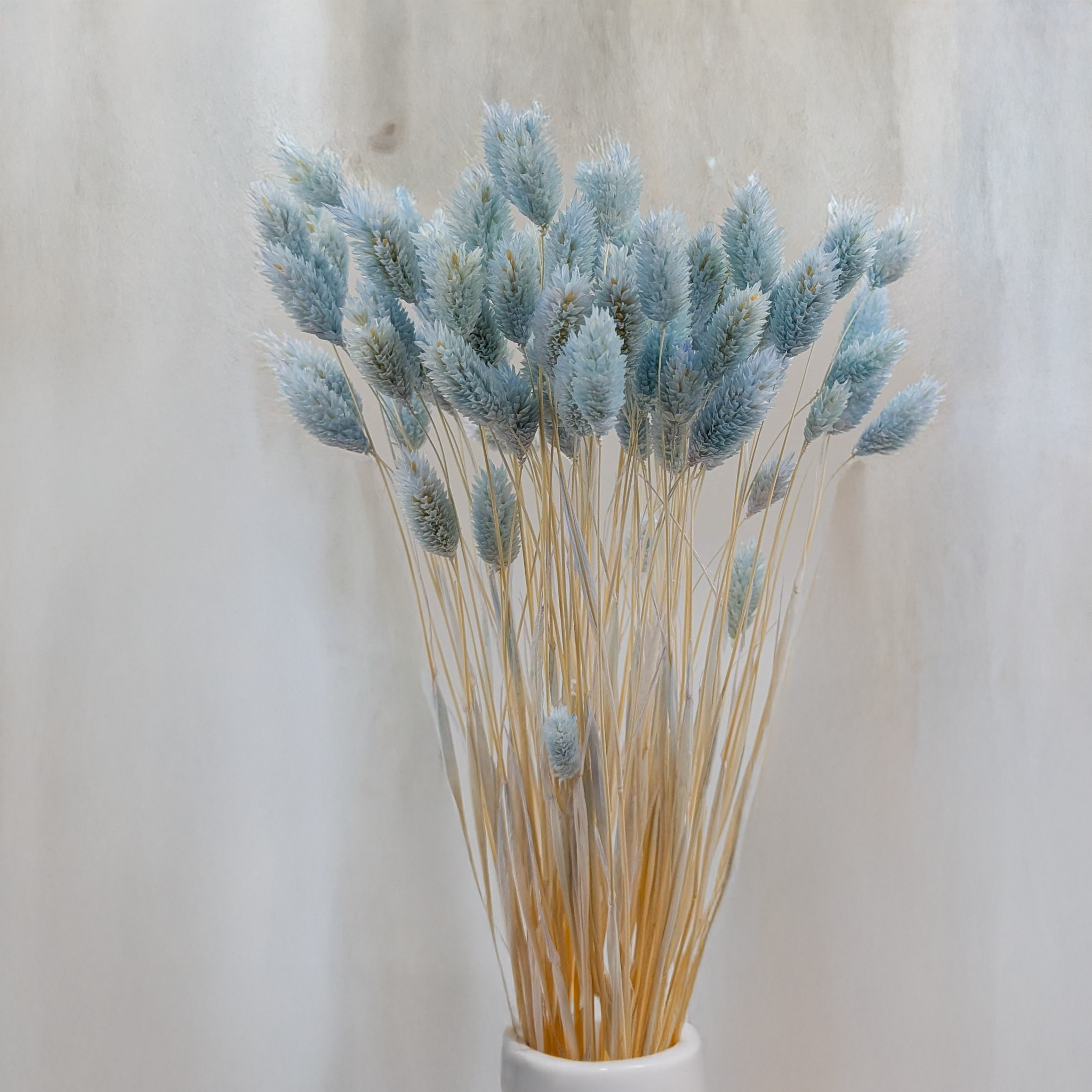

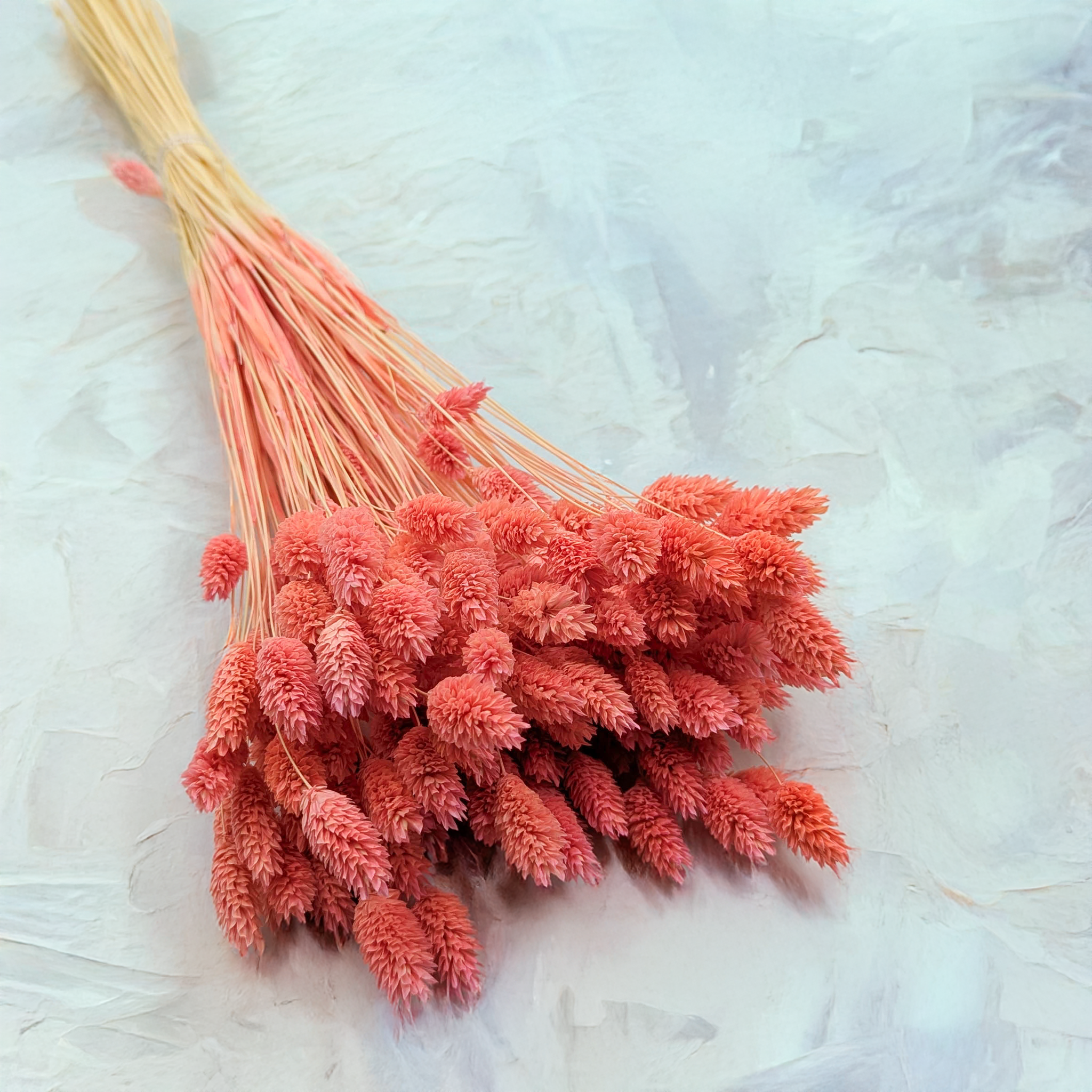
Phalaris introduces rhythm and visual balance while maintaining traditional symbolism.
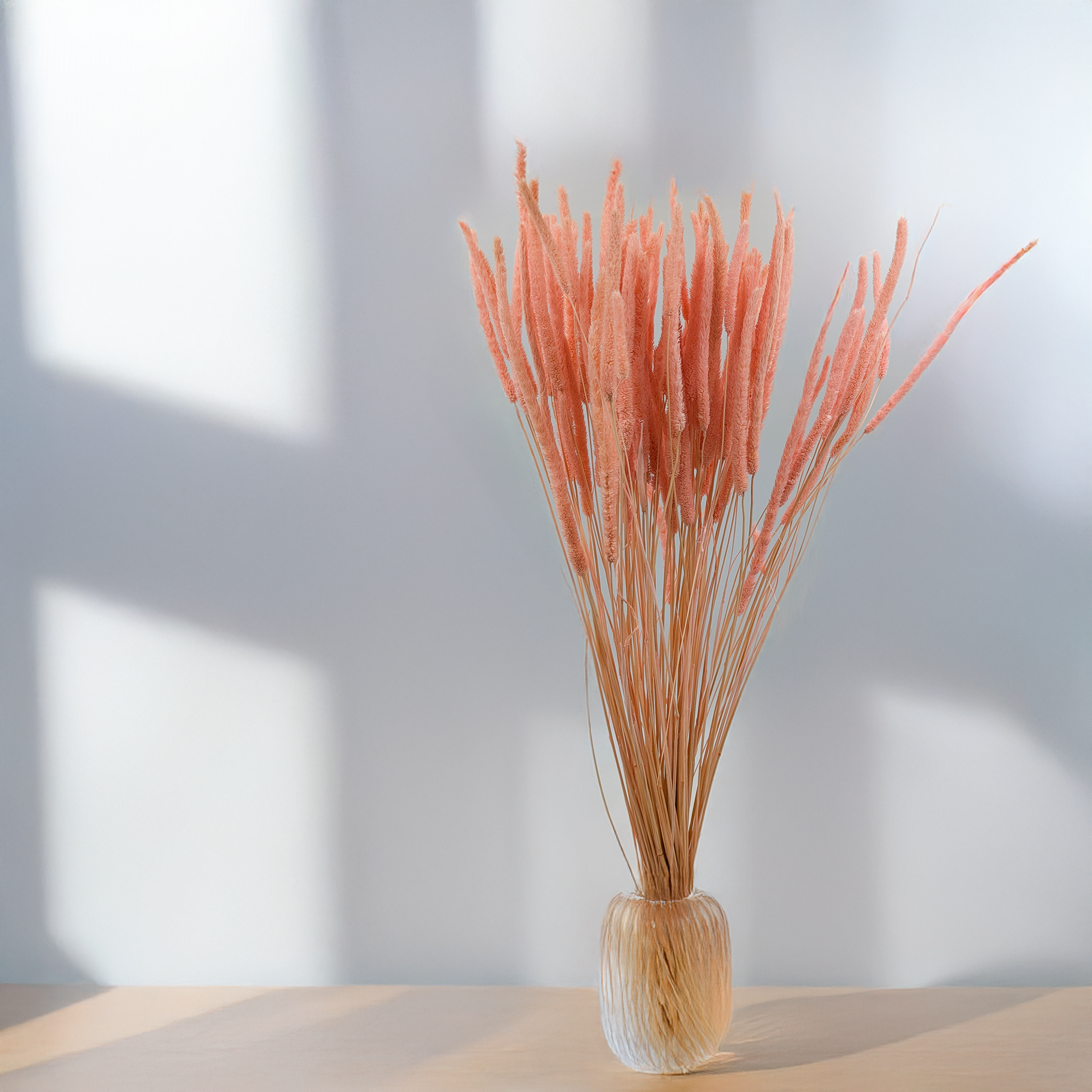
Lagurus – Softness and Joy
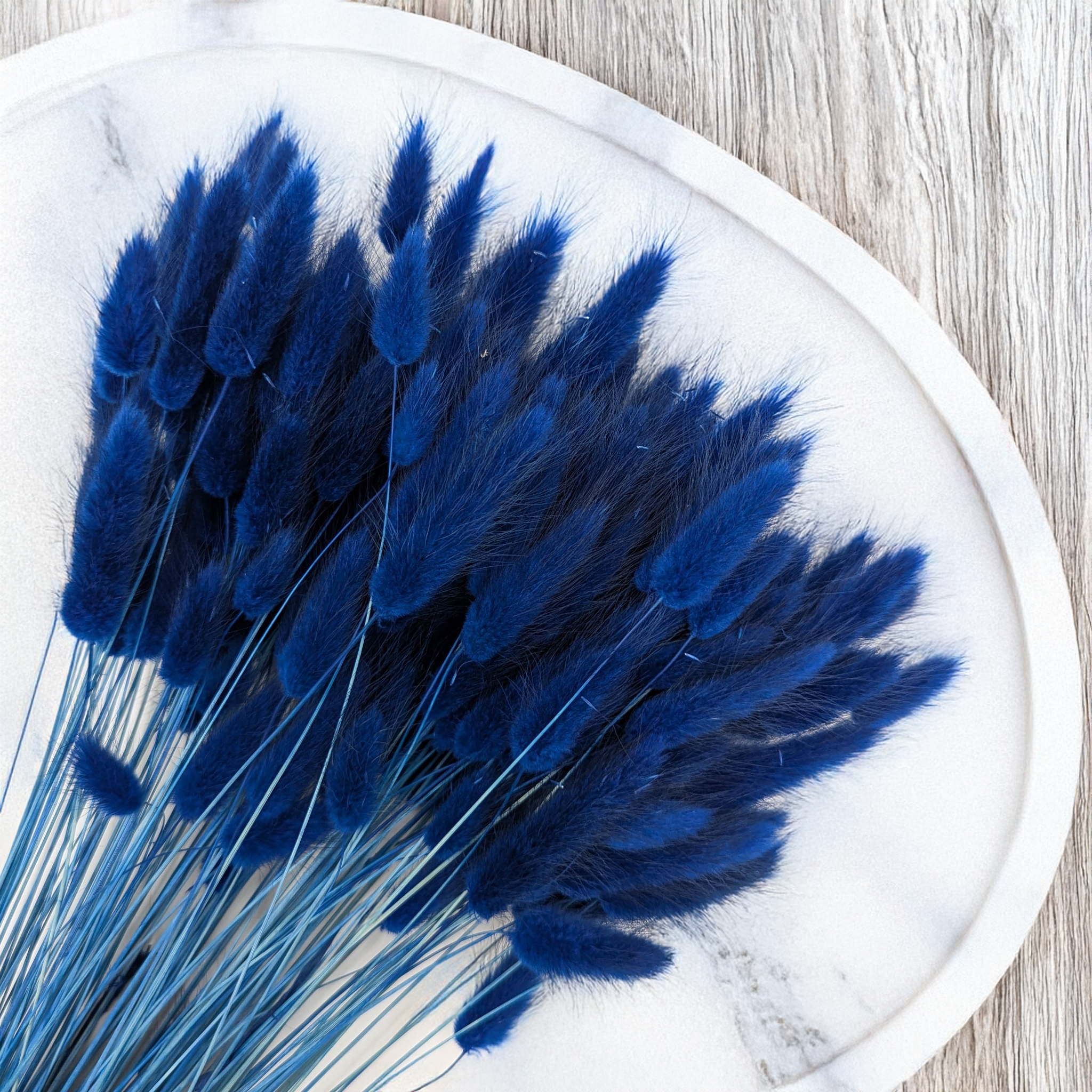
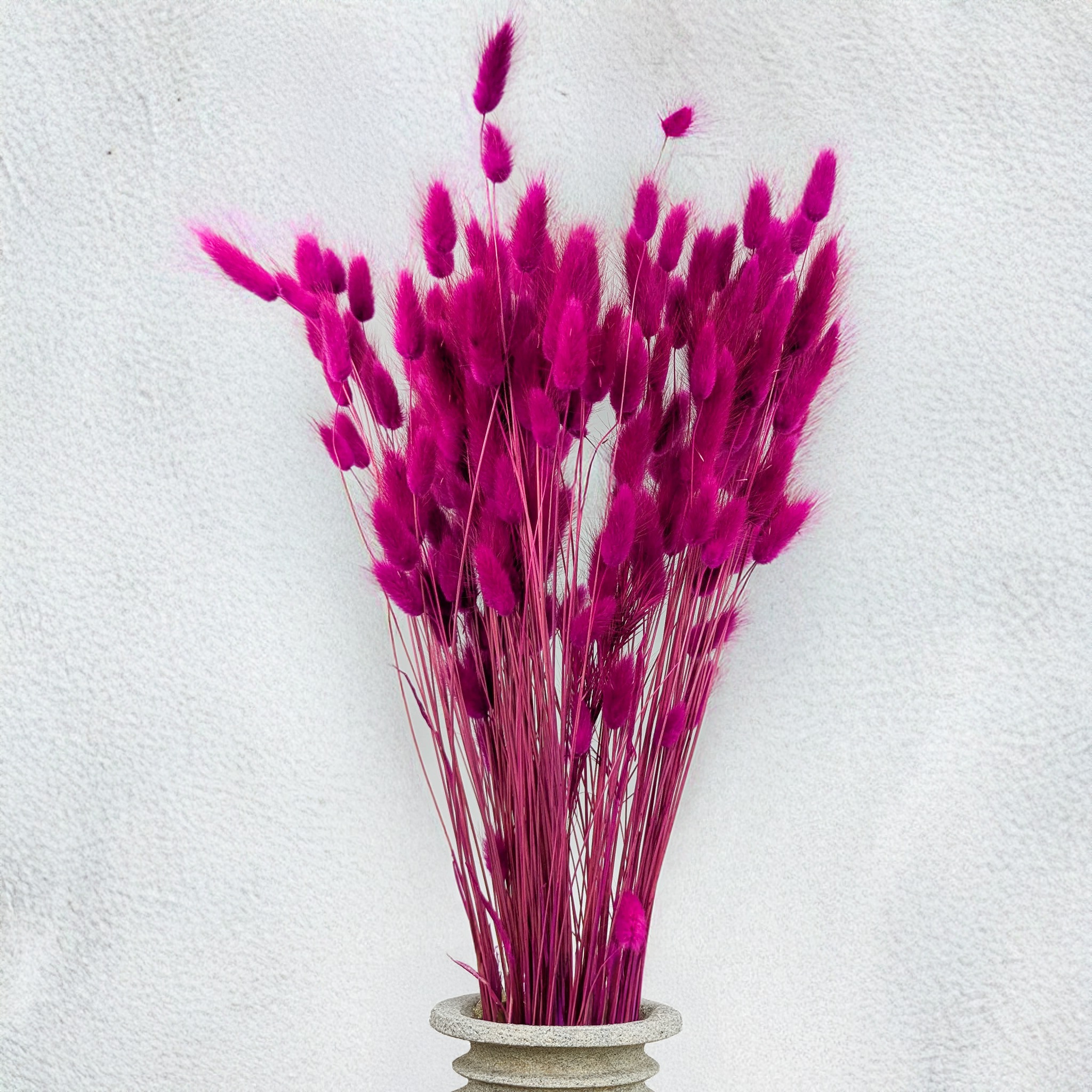

Lagurus adds warmth and softness, contrasting beautifully with structured grains.
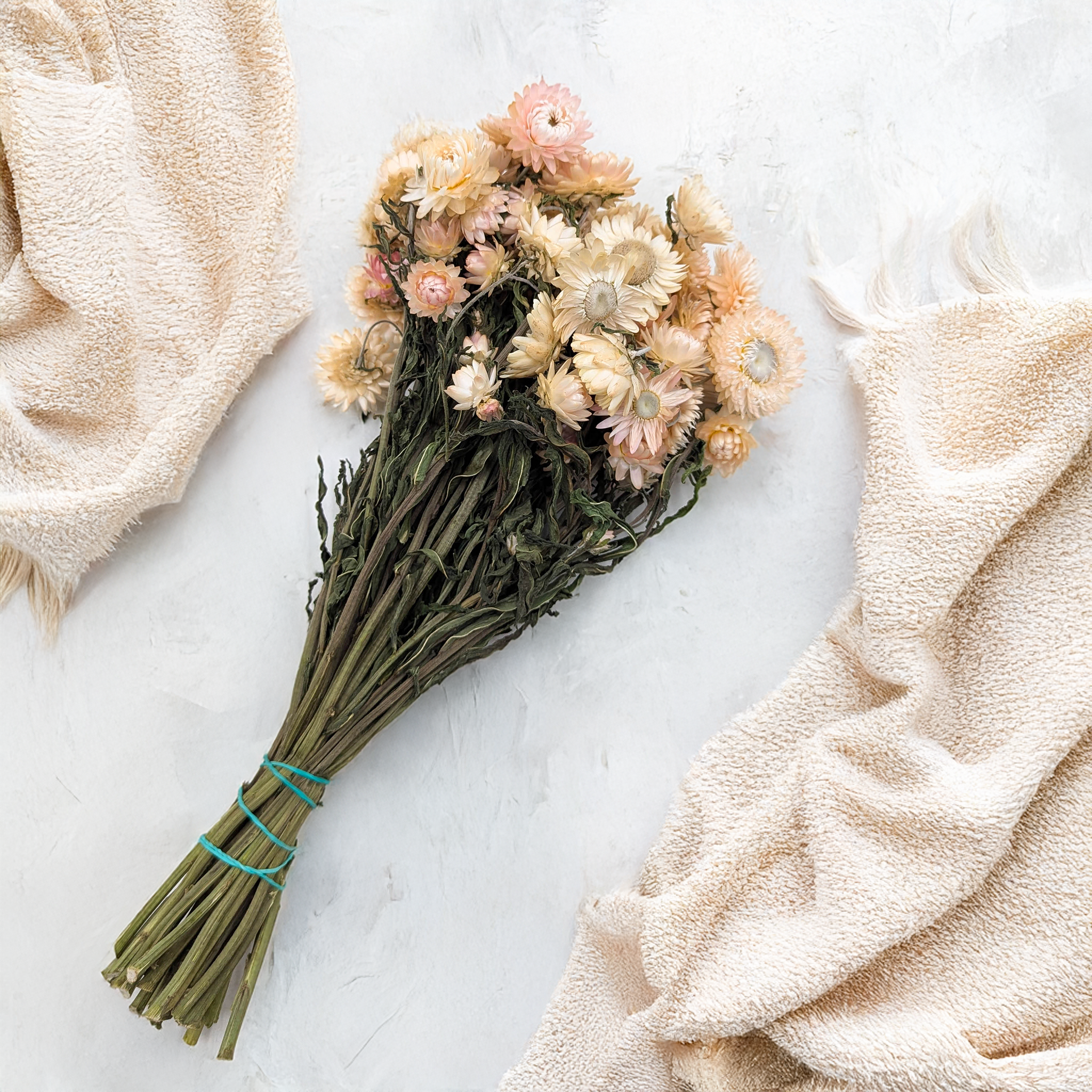
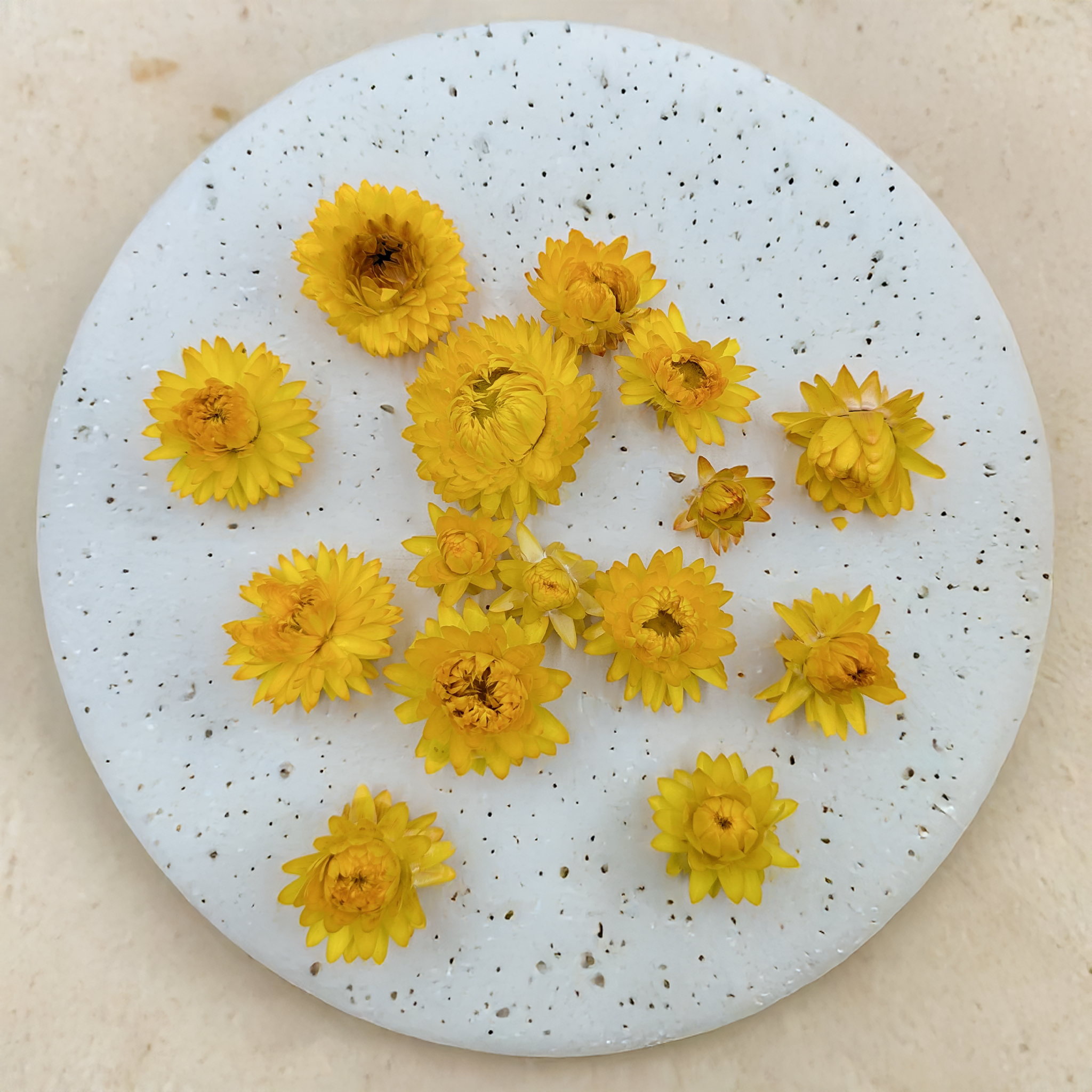
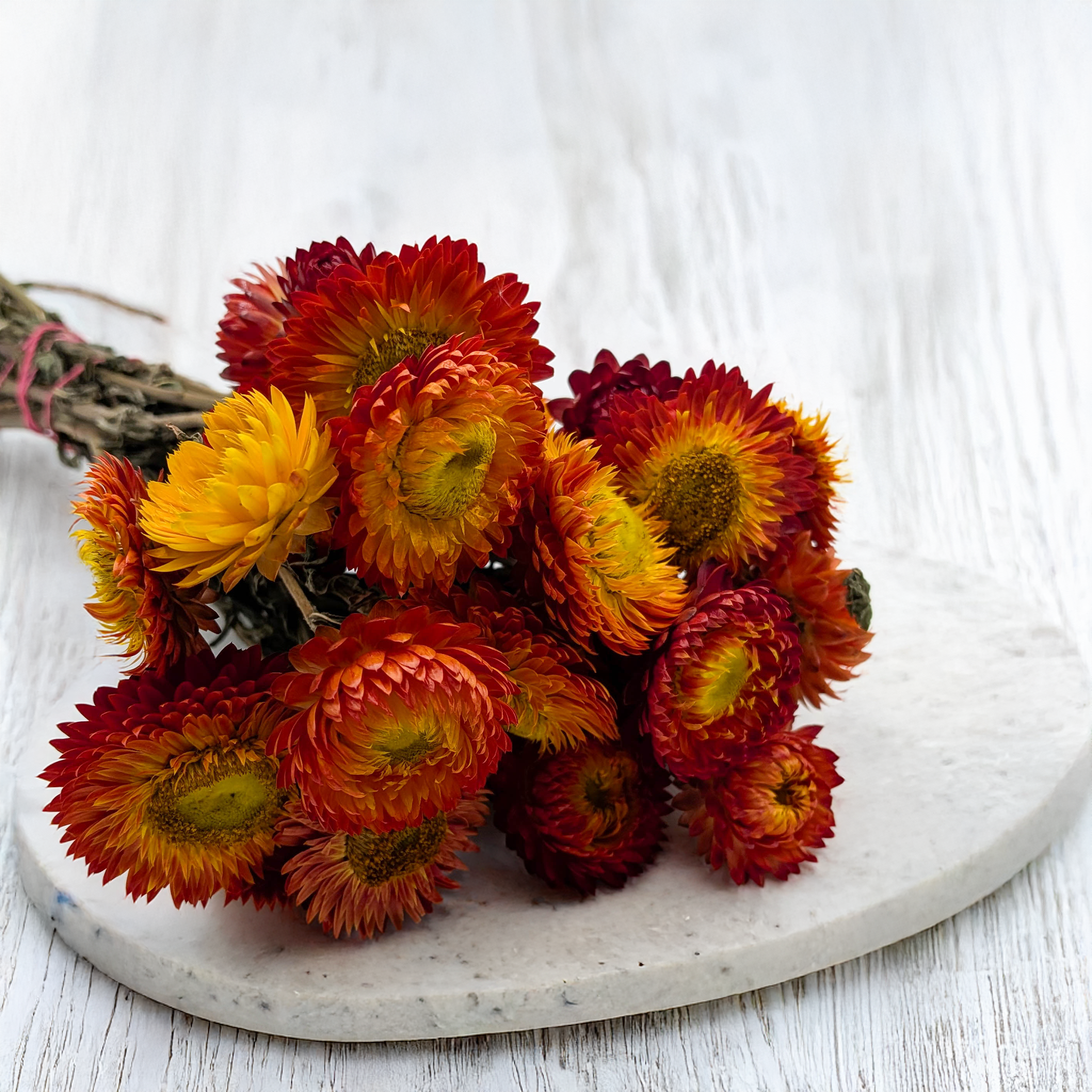
Helichrysum – Durability and Memory
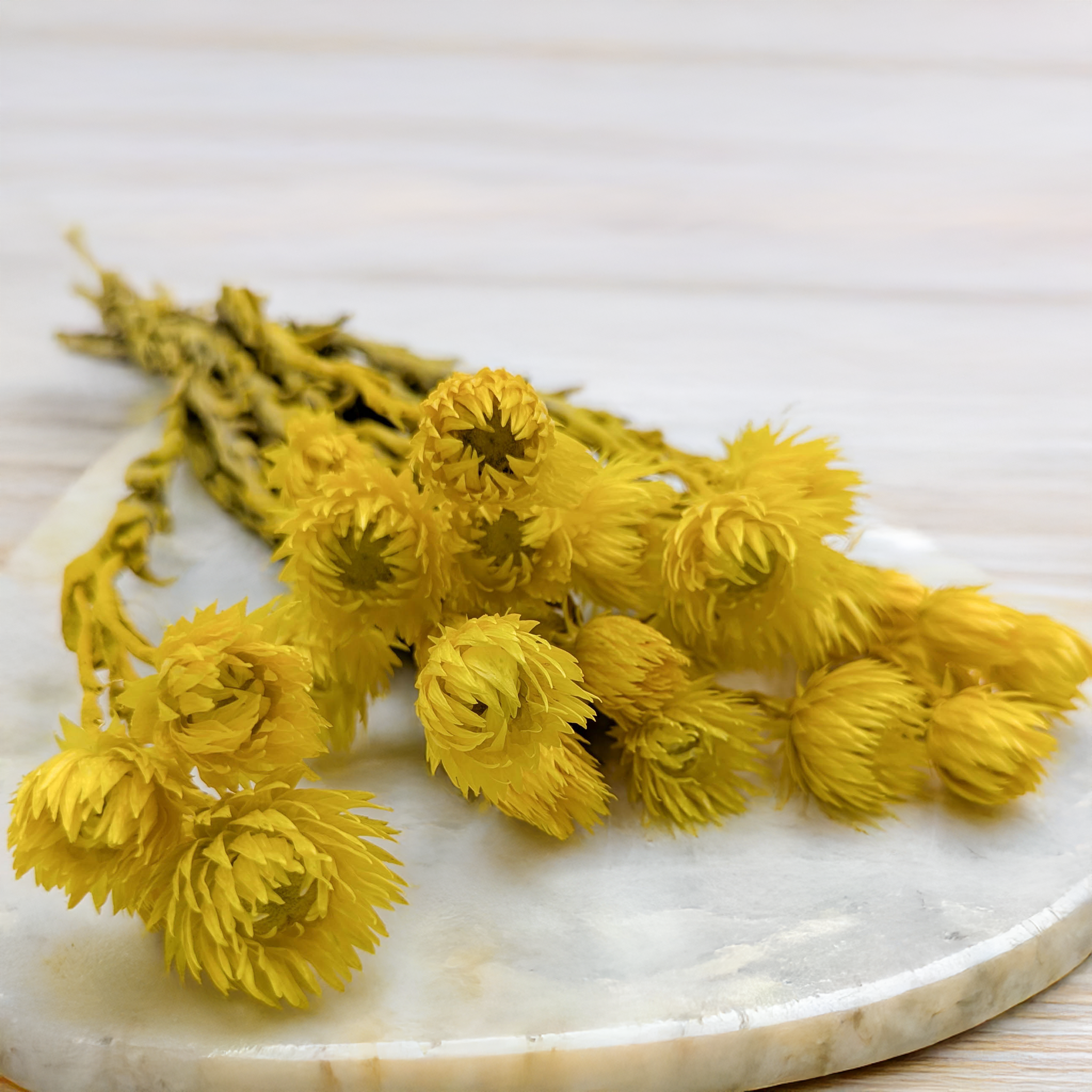
Helichrysum (everlasting flowers) have symbolised durability and lasting memory for centuries. In the context of Easter, they take on additional meaning – referring to the idea of eternal life and rebirth.
Their intense colours – yellows, oranges and reds – enliven the palm and draw attention, giving it a more expressive and festive character.
Natural Easter Palm – Tradition in a Modern Form
When creating an Easter palm using grains and grasses, remember to:
- Mix textures – combine structured rye with soft lagurus.
- Build height – place triticale or rye at the top, phalaris and oats below.
- Balance colours – neutral tones can be enhanced with subtle dyed accents.
- Value authenticity – each plant is unique, and natural differences highlight its character.
What Else to Combine with Grains?
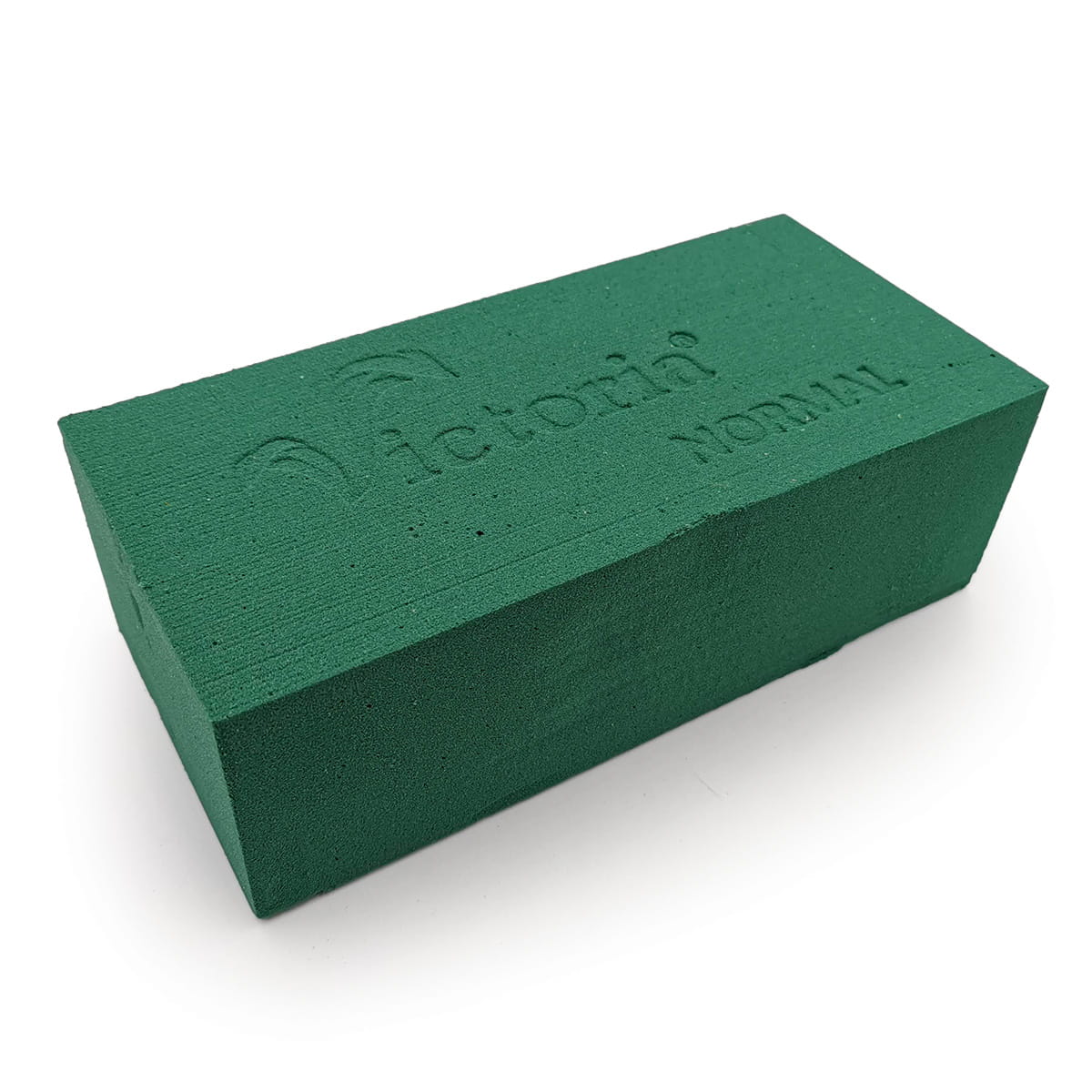
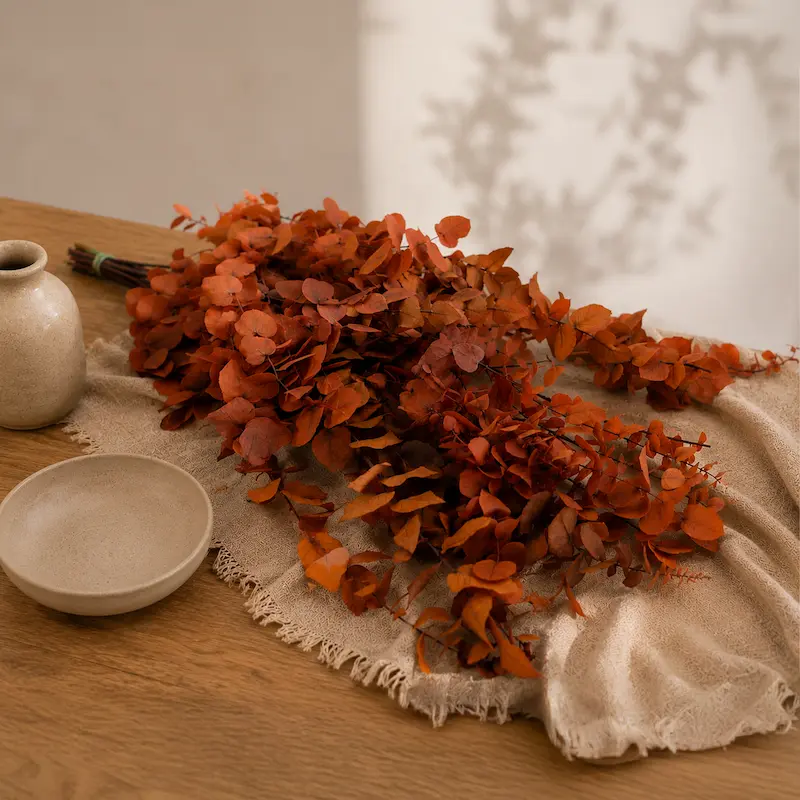
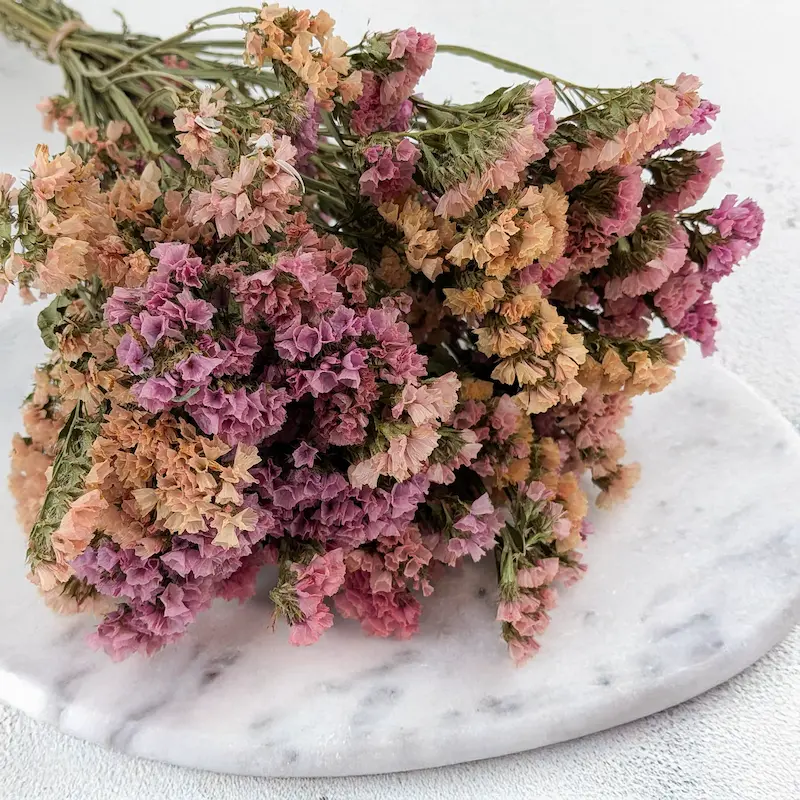
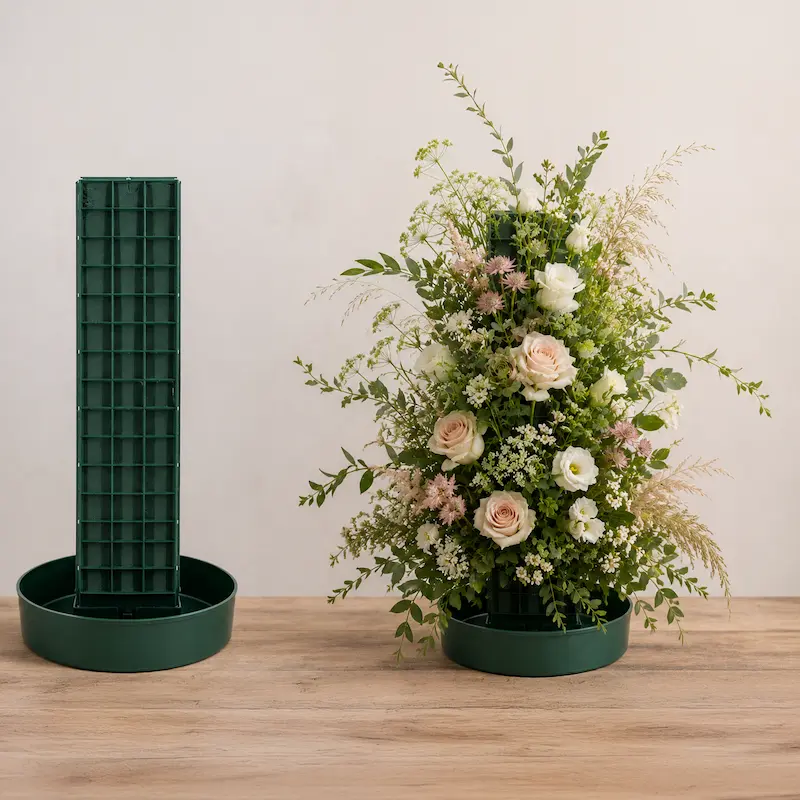
To add more volume and decorative character, you can also use:
Such combinations allow you to build varied textures, combine delicate elements with more expressive ones, and create Easter palms that preserve their symbolic meaning while fitting into natural and modern decorative trends.
Grains and grasses in the Easter palm are more than just decoration. They are a story deeply rooted in tradition – about the cycle of nature, renewed life and hope for a good, abundant year. Contemporary compositions increasingly combine this symbolism with the aesthetics of natural dried plants, creating palms that are durable, light and rich in meaning.